DIVINE LITURGY FOR THE FEAST OF THE KAZAN ICON OF THE MOTHER OF GOD
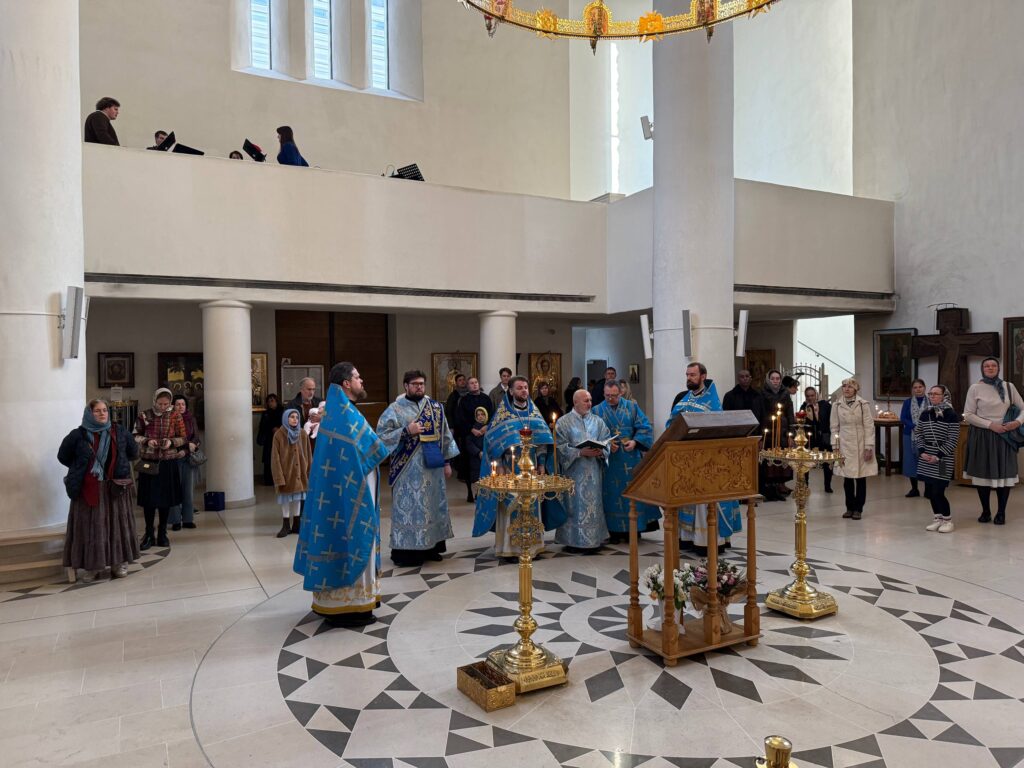
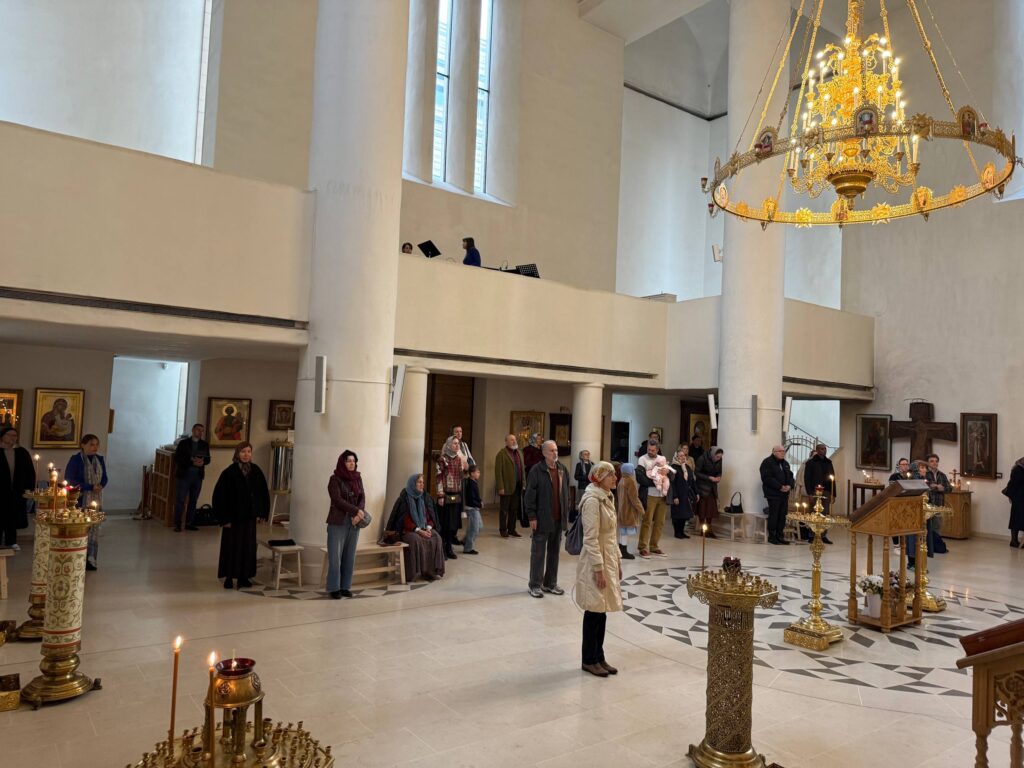
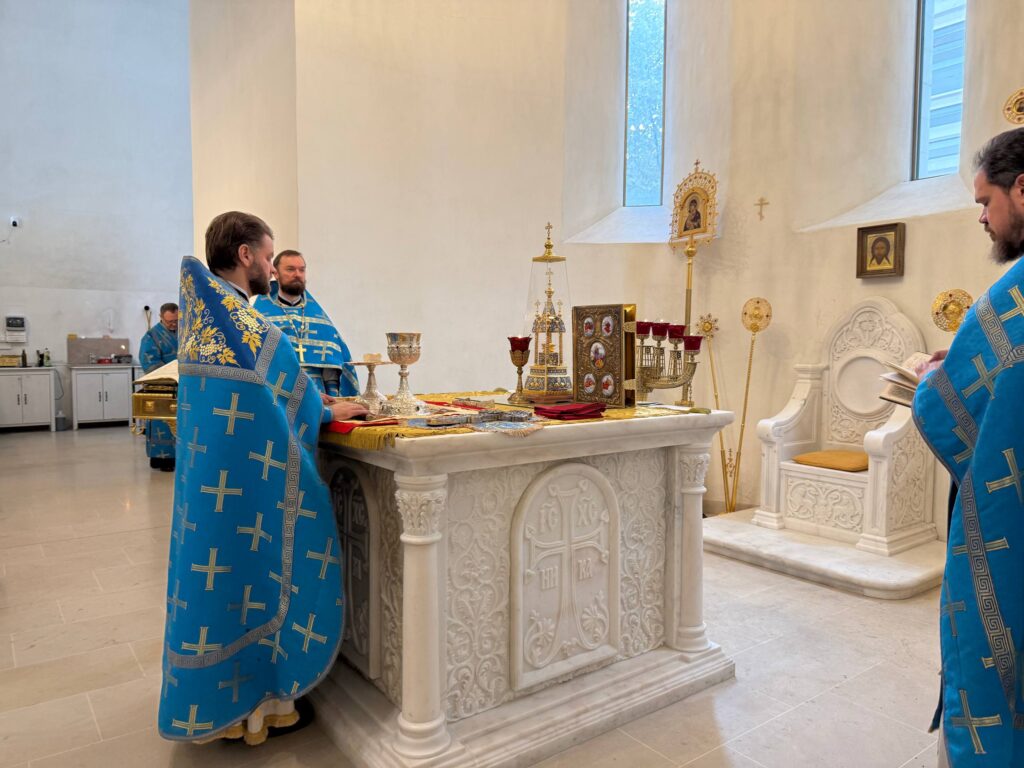
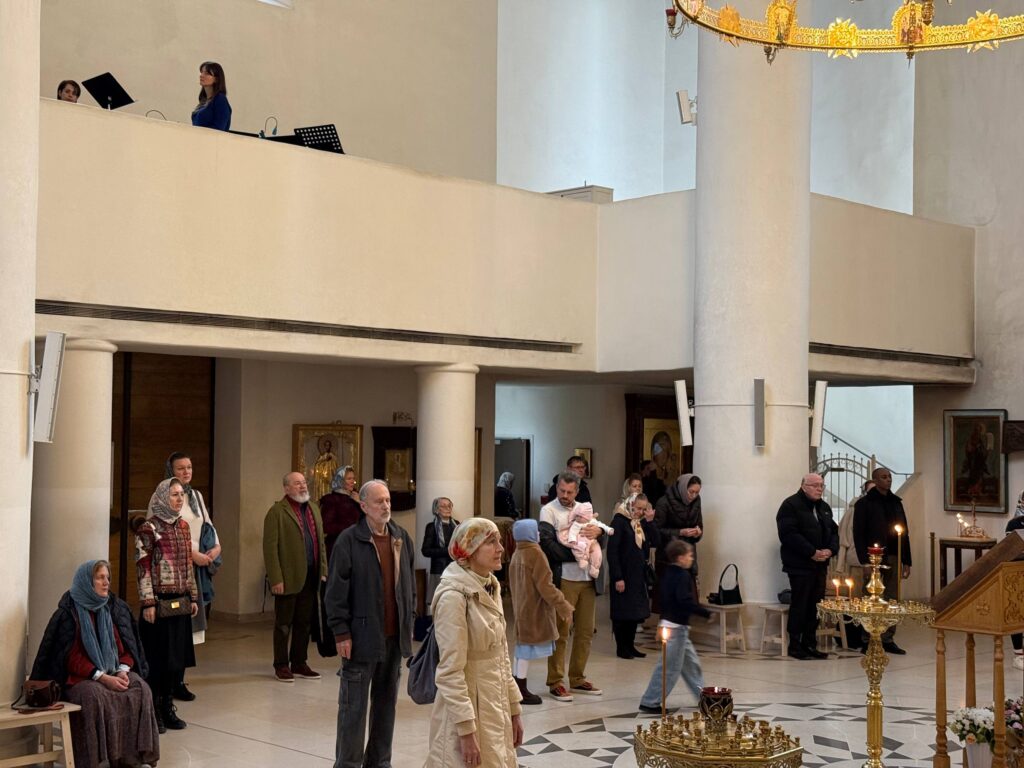
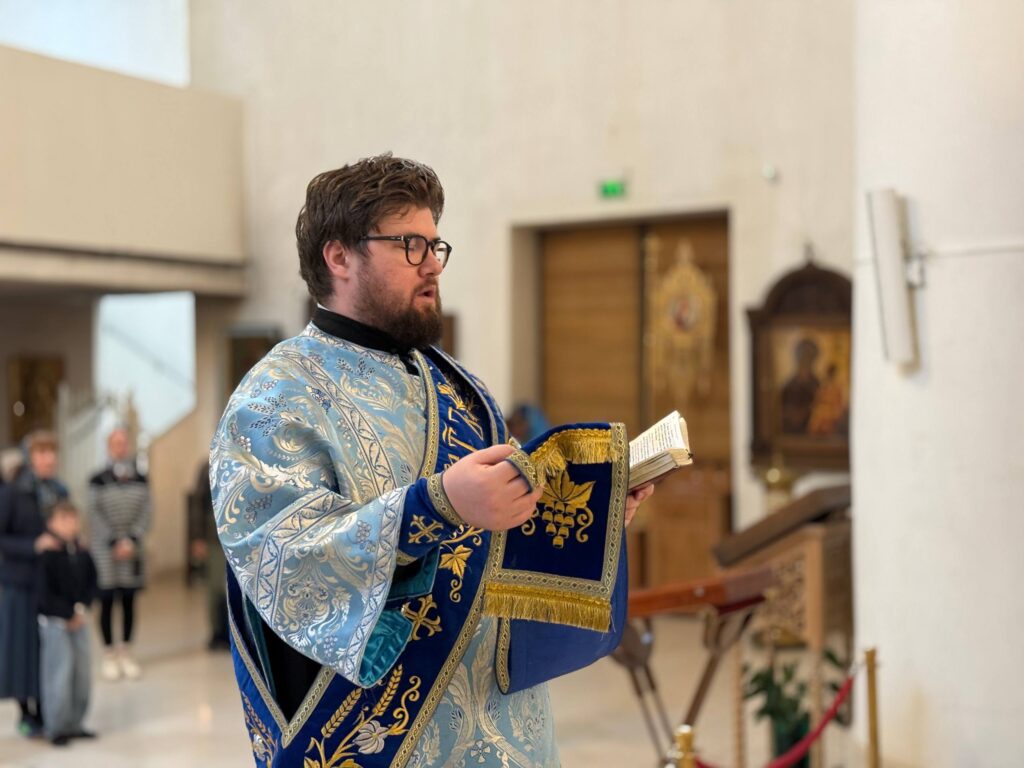
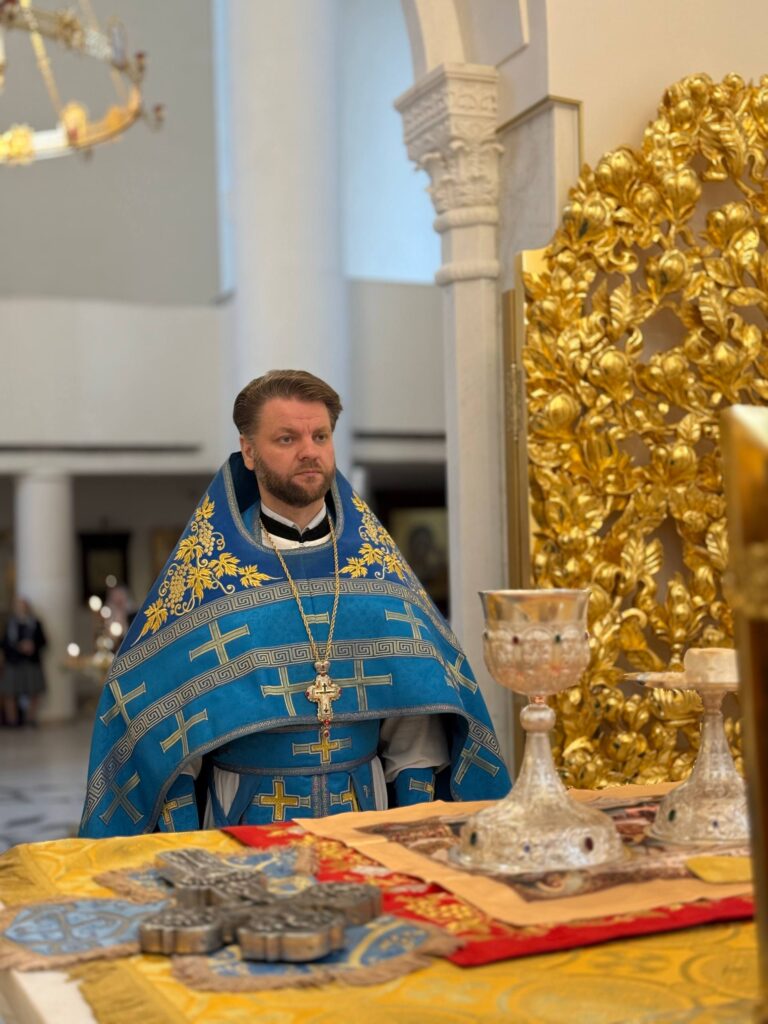
On Wednesday 4 November 2026, the feast of the Kazan Icon of the Mother of God, the Divine Liturgy was celebrated at Holy Trinity Cathedral. The service was led by the cathedral’s key-keeper, Priest Maxim Politov, with the cathedral clergy concelebrating.
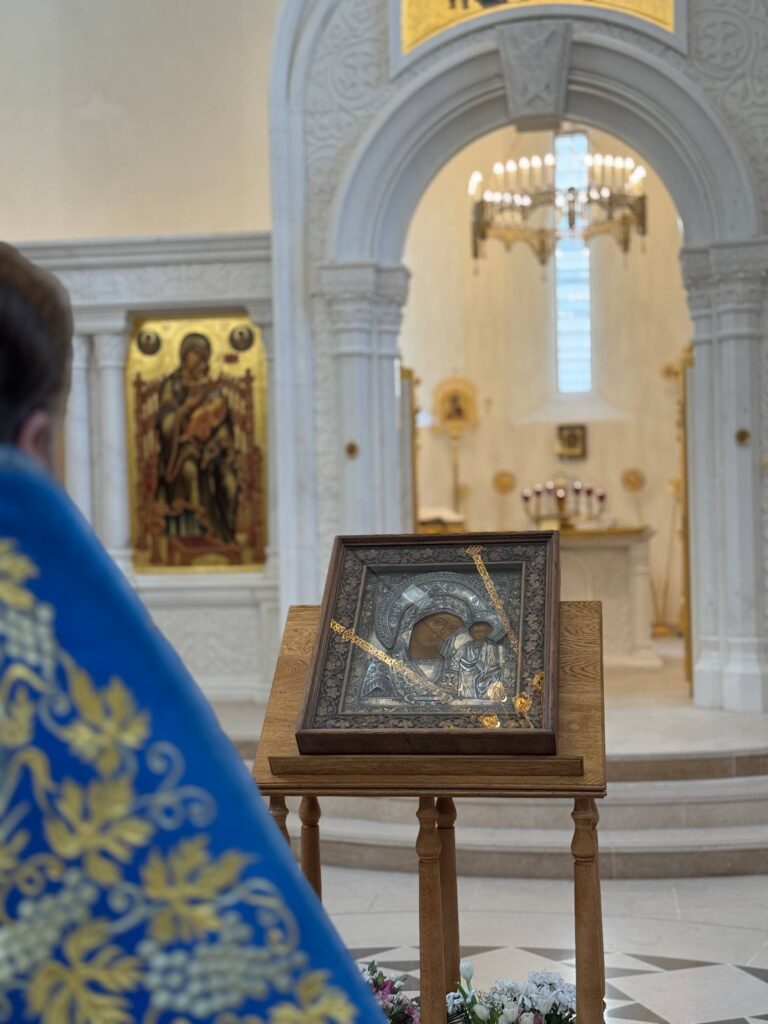
The icon was found in Kazan in 1579, shortly after a severe fire. According to the account set down by Metropolitan Hermogenes, the place where the icon lay was shown several times in a dream to Matrona, the ten-year-old daughter of a strelets (a musketeer of the Muscovite army). The girl found the icon buried in the ground, wrapped in a worn sleeve, and it was carried in procession to the church. In memory of this event the Church established the feast of the Kazan Icon on 21 July (8 July, old style).
The autumn feast, on 4 November (22 October, old style), is connected with other events. In 1612 a copy of the icon was brought from Kazan to the militia, and on 22 October, old style, the militia took Kitay-gorod with this image. Tsar Michael Fyodorovich established the commemoration of that day in 1613. It should be noted that the icon present at the liberation of Moscow from the foreign troops was not the original but a copy of it.
What became of the original is unknown. During the night of 29 June 1904 it was stolen from the Convent of the Mother of God in Kazan. The thieves were caught and convicted, but the icon was never recovered, and scholars allow that it may simply have been destroyed.
One chapter in the history of the Kazan Icon belongs to Western Europe. One of its copies was for many years kept in the private apartments of Pope John Paul II at the Vatican. On 28 August 2004, the feast of the Dormition of the Mother of God, a Vatican delegation led by Cardinal Walter Kasper presented this image to His Holiness Patriarch Alexy II of Moscow and All Rus’ in the Dormition Cathedral of the Moscow Kremlin. In 2005 the copy was taken to Kazan, to the Church of the Exaltation of the Cross of the former Convent of the Mother of God, where the miraculously revealed icon had once been kept. Scholars differ as to when this copy was painted: some date it to the seventeenth century, others to the eighteenth.